
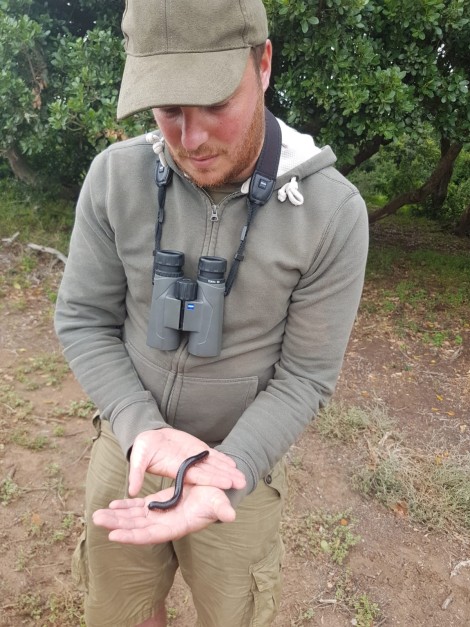
Daniel Lombard BSc. MCIEEM has spent all his working life in the environmental sector. He is an experienced and competent field ecologist with proven skills in species identification across a range of biota and an in-depth understanding of many aspects of biodiversity, conservation, ecology and biology.
He has been involved in the conservation of a wide range of species and habitats from nationally important seabird populations to sensitive grasslands important for butterflies and orchids.
Qualifications
Daniel has been involved in the conservation of some of the most vulnerable species in Yorkshire. Much of this work has been centred on the promotion of declining species of farmland wildlife. Daniel is also involved with mammal conservation, primarily Water Voles and Otters but also Pine Marten, Badger, Bats and Brown Hares throughout the Yorkshire region. He helps the Yorkshire Naturalist Union and Mammal Society varify records of mammals in the region.
Daniel also acts as the Reptile and Amphibian recorded for the Yorkshire Naturalists Union and has a good depth of knowledge on the ecology, identification and conservation of these species. He has been involved in numerous pond and wetland creation projects to help amphibians and has undertaken a large number of amphibian surveys for developments, conservation as well as for the research of several universities.
Daniel is currently involved in a number of local projects in which he has volunteered his time and resources. He has previously been an active member of both Filey and Flamborough Bird Observatories and has held roles like the bird ringing officer in Filey and has been on the conservation committee. As well as previously acting as the recorder for both Dragonflies and Butterflies within the group. Daniel also acts as an ecologist giving free advice to the Yorkshire branch of Butterfly Conservation including habitat management plans and field surveys.
Daniel contributes to national recording schemes for a wide range of species in his spare time and has found a growing number of county and vice-county firsts, particularly in respect to invertebrates.