
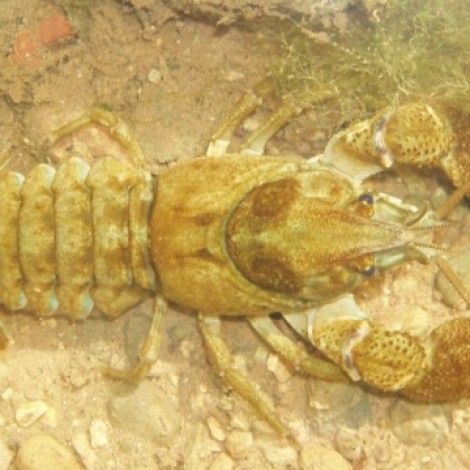
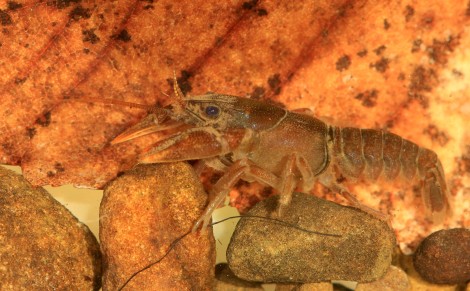
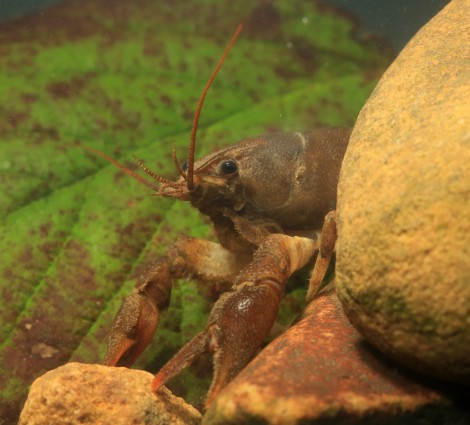
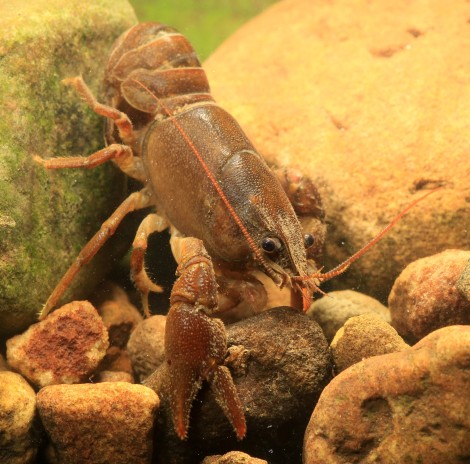
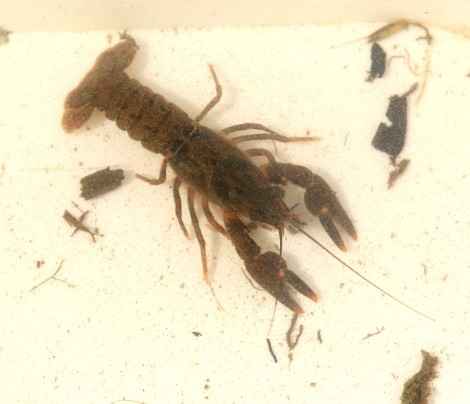
The white-clawed crayfish Austropotamobius pallipes is the UK’s only native crayfish species and is fully protected due to severe declines caused by habitat loss, pollution, and the invasive signal crayfish and its associated crayfish plague. Any works affecting rivers, streams, canals, lakes, ponds, or associated riparian zones must carefully consider their potential presence. At Wold Ecology, we undertake precise, legally compliant surveys to support development while ensuring the conservation of this vulnerable species.
How White-Clawed Crayfish Surveys Are Carried Out
All survey methods follow Natural England, Environment Agency, and CIEEM best-practice guidance, ensuring high-quality, defensible results.
1. Desk Study & Habitat Assessment
We begin by reviewing local records, historic data, and watercourse characteristics. During a habitat walkover, our ecologists assess:
This identifies whether a full survey is needed.
2. Manual Hand Searching
In clear, shallow water, we carefully inspect suitable refuges along the riverbed and banks.
3. Night-Time Torch Surveys
Crayfish are often more active at night. Using high-powered torches, we survey watercourses to identify individuals feeding or moving across the substrate.
4. Trapping (Where Licensed & Appropriate)
Under strict licensing requirements, low-impact traps may be deployed to confirm presence or estimate population structure.
5. Biosecurity Protocols
Given the risk of spreading crayfish plague, all surveys are conducted under stringent biosecurity procedures, including disinfection of equipment and clothing.
6. Reporting, Licensing & Mitigation
Our reports provide clear findings, risk assessments, and recommendations regarding:
Integrating White-Clawed Crayfish & Development
Sensitive design and early ecological consideration can ensure development progresses without harming native crayfish populations. Wold Ecology works closely with clients to deliver proportionate, practical solutions.
Common mitigation and integration measures include:
Our aim is to facilitate sustainable development that fully respects the ecological importance of native crayfish populations while keeping projects on track.