
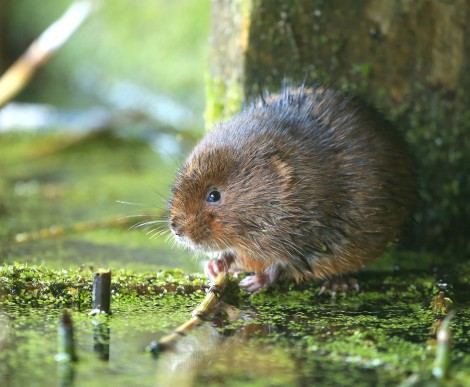
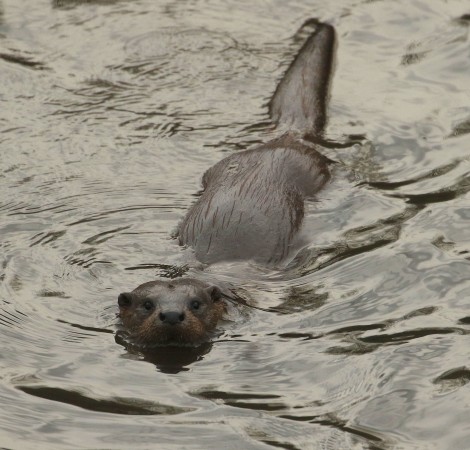
Water voles Arvicola amphibius and otters Lutra lutra are key indicators of healthy freshwater ecosystems and are protected under UK and European legislation. Any works affecting rivers, streams, ditches, ponds, or wetlands must consider their potential presence. At Wold Ecology, we provide detailed, compliant surveys that allow developments to progress responsibly while safeguarding these important semi-aquatic mammals.
How Water Vole & Otter Surveys Are Carried Out
Our survey methodology follows current CIEEM standards and species-specific best practice, ensuring accurate assessments and legally robust outcomes.
1. Desk Study & Habitat Assessment
We begin by reviewing records, aerial imagery, and local data to understand the ecological history of the site. A habitat walkover then assesses:
This determines the potential for both species to use the area.
2. Water Vole Surveys
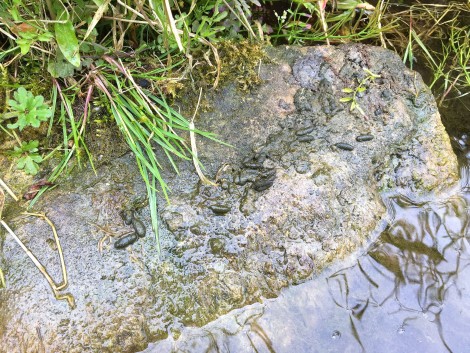
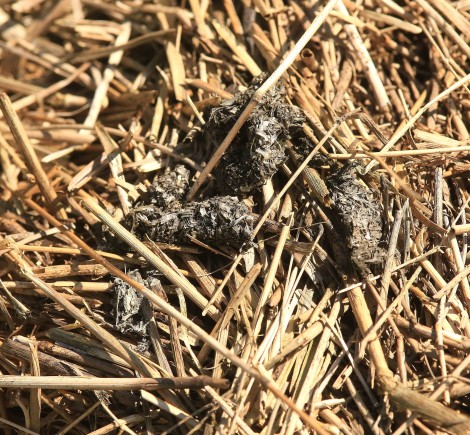
During targeted site visits (typically March–October), our ecologists search for characteristic signs, including:
We record population presence, distribution, and relative activity across the site.
3. Otter Surveys
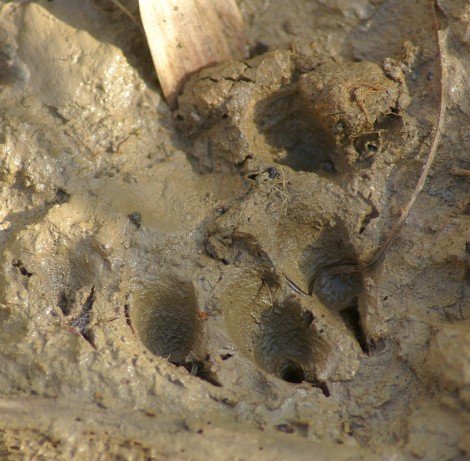
Otter surveys require careful, unobtrusive examination of watercourses for:
These signs help identify how otters move through and use the landscape.
4. Advanced Monitoring (Where Required)
For complex or sensitive sites, we can employ:
These methods provide a fuller understanding of long-term habitat use.
5. Reporting, Licensing & Advice
Our final report outlines all findings and provides clear, proportionate recommendations to ensure full legal compliance. Where necessary, we support Natural England licensing for activities that may affect otters or water voles.
Integrating Water Voles, Otters & Development
With appropriate mitigation and early planning, infrastructure and freshwater wildlife can coexist successfully. Wold Ecology offers practical, site-specific solutions to help deliver development that respects ecological integrity.
Common mitigation and integration measures include:
Our aim is to ensure developments meet all legal obligations while contributing positively to freshwater biodiversity.