
Badgers Meles meles are a widespread and legally protected species across the UK, requiring careful consideration during land management and development. At Wold Ecology, we provide comprehensive badger surveys that identify the presence, status, and protection needs of local badger populations, ensuring projects progress lawfully and responsibly.
How Badger Surveys Are Carried Out
Our survey process follows current best-practice guidance and national legislation:
1. Desk Study & Initial Assessment
We begin by reviewing existing records, mapping landscape features, and assessing habitat suitability to inform the scope of on-site work.
2. Field Surveys
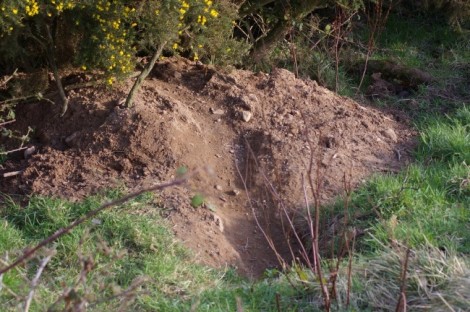
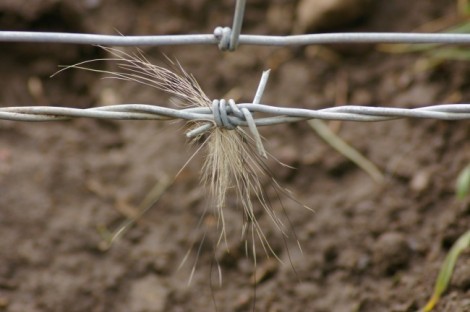
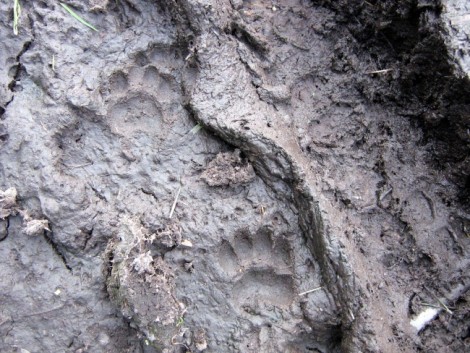
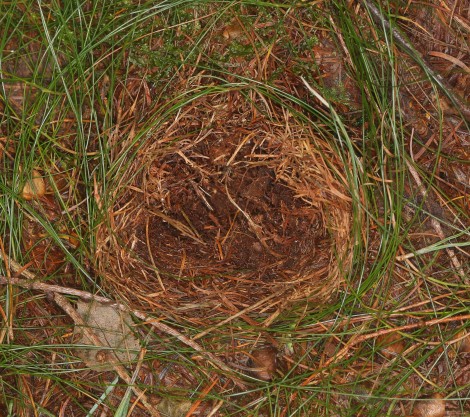
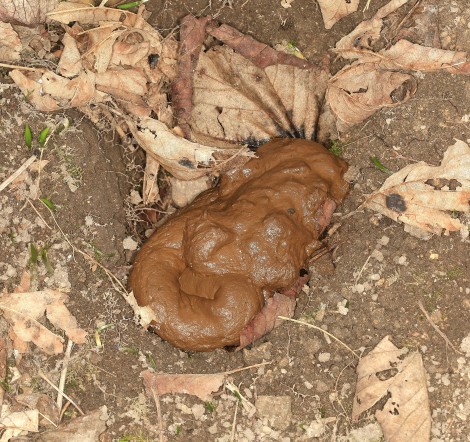
During a detailed site walkover, our ecologists search for evidence of badger activity, including:
3. Monitoring & Advanced Methods
Where required, we deploy additional methods such as:
4. Reporting & Mitigation Advice
Our final survey report provides clear findings, impact assessments, and practical mitigation strategies compliant with the Protection of Badgers Act (1992) and Natural England licensing requirements.
Integrating Badgers and Development
Sustainable development and badger conservation can coexist with careful planning. Wold Ecology specialises in designing solutions that allow projects to proceed while protecting local badger populations. Typical measures include:
Our aim is to ensure that developments meet statutory obligations, maintain good ecological practice, and deliver positive outcomes for wildlife.