
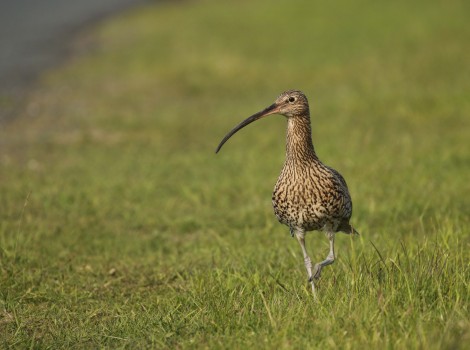
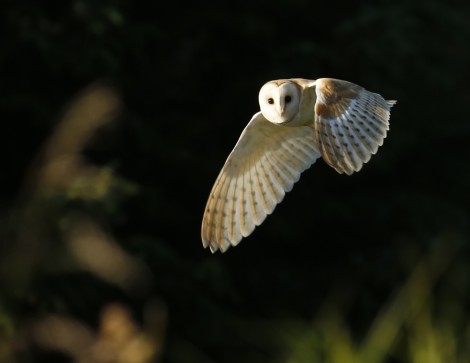
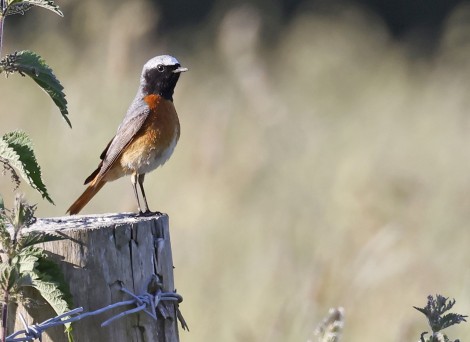
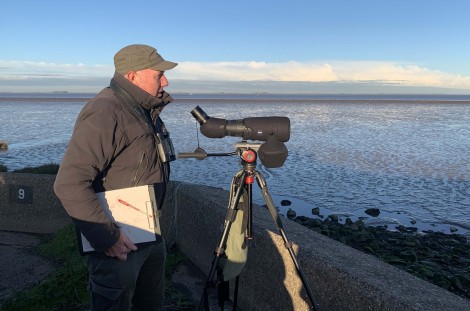
Wold Ecology staff have over 40 years’ experience of carrying out a wide range of bird surveys. We can advise on which surveys suit your project and tailor the survey/s to the needs of your project.
A two-phase approach can be used with a desktop study and generic survey followed up, if necessary, with a protected species-specific study.
This comprehensive approach gives the opportunity to review the need for further surveys, a useful tool in planning applications.
Examples of generic and species-specific surveys include:
Wold Ecology staff have carried out many bird surveys in the past 15 years. These include:
We only employ highly experienced staff and associates. Director Richard Baines who leads on our bird surveys has held Schedule 1 licences for a wide range of species. This has enabled him to survey sensitive species such as Golden Eagle and Red-throated Diver in Scotland through to Barn Owl and Little Ringed Plover in England.
For free advice and a quote call Richard on 07747753260
Birds are afforded various levels of protection and levels of conservation status on
a species-by-species basis. The most significant general legislation for British birds is contained within Part 1 of the Wildlife and Countryside Act 1981 (as amended). Under this legislation it is an offence to, kill, injure or take any wild bird, take, damage or destroy the nest of any wild bird while that nest is in use or being built, take or destroy an egg of any wild bird. Birds listed under Schedule 1 of the Wildlife and Countryside Act received enhanced protection from disturbance whilst nesting.